
1. What is Emotion-Based Learning ?
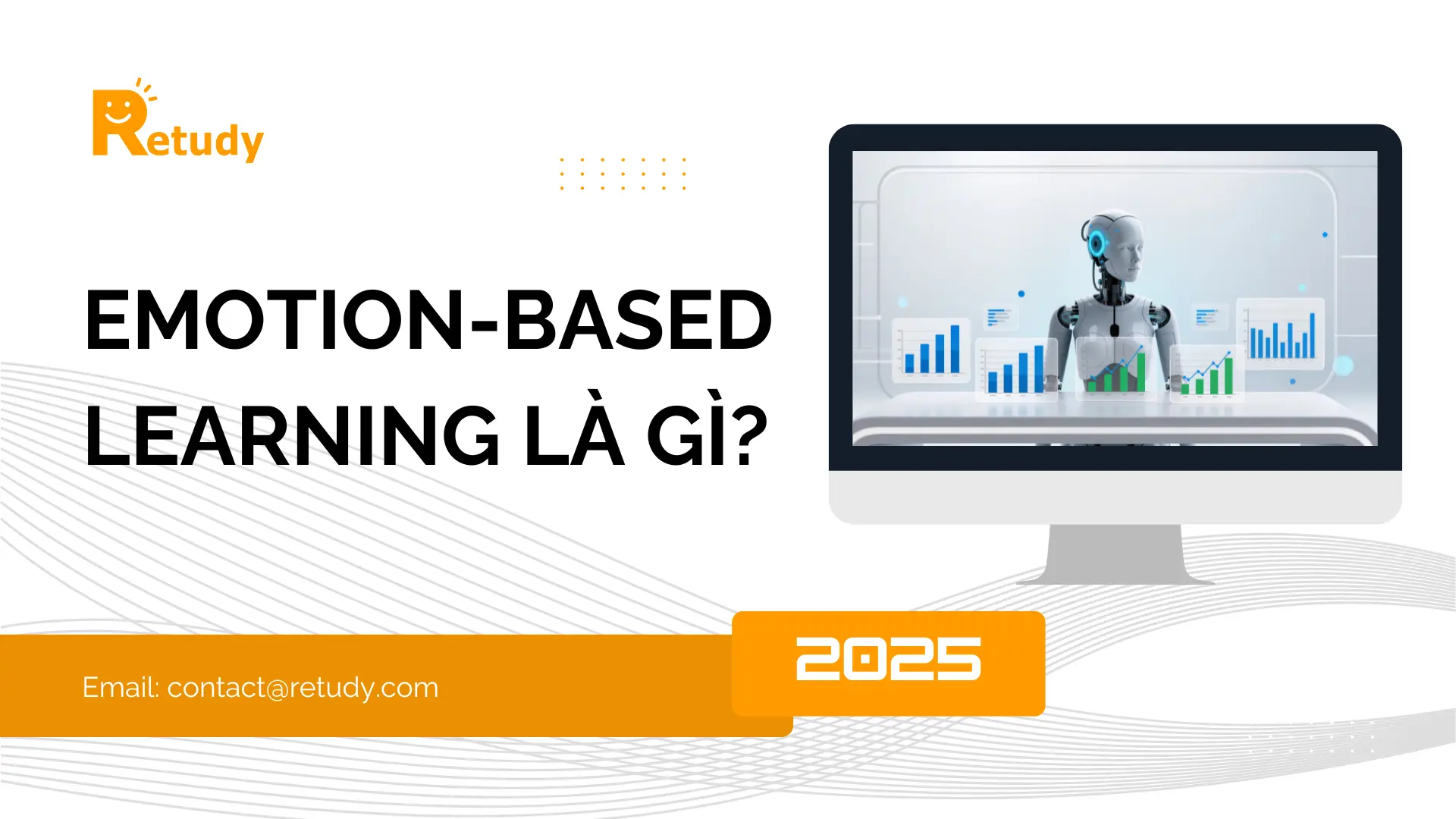
Emotion-Based Learning is a training method built on AI analyzing learners' emotional signals. The system not only records scores or completion levels but also understands the level of stress, confusion, concentration, or boredom at each moment of the learning process. When negative states are detected, the platform automatically adjusts the pace and delivery of content to suit each individual's learning capacity.
This helps businesses address a long-standing problem in e-learning: learners easily lose motivation after a short time, and learning progress is uneven. By incorporating emotional data into the model, businesses can identify when learners are performing at their peak and when they need to adjust, thereby optimizing training time and reducing burnout.
2. How emotion recognition technology works
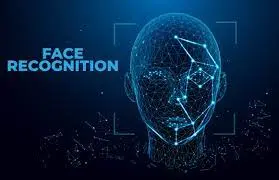
AI -powered facial recognition
The camera captures facial expressions, eye movements, and micro-signals. If the frequency of frowning increases or the eyes blink rapidly, the AI recognizes that the learner is struggling. Conversely, focused expressions help the system determine the appropriate time to increase the challenge level.
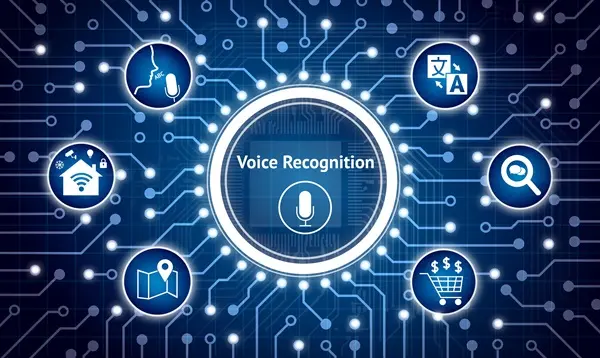
Voice analysis
Courses requiring direct speaking, such as communication, sales, or presentations, are better optimized when AI analyzes the pitch, speed, rhythm, and stability of the voice. Unusual changes indicate that the learner is stressed or lacking confidence, allowing the system to adjust the exercises accordingly.

Analyzing interaction behavior
Even if businesses don't want to use cameras, AI can still assess emotions through behavior such as the time spent on each piece of content, the frequency of video rewinds, or the number of unusually fast page turns. This method ensures privacy while still allowing the system to understand the learner's actual mental state.


3. Benefits for businesses
Emotion -Based Learning offers many strategic benefits in human resource training:
✦ Improve learning efficiencyby tailoring content to the learner's actual mental state.
✦ Improving memoryhelps employees grasp knowledge faster and reduces the time needed to complete training courses.
✦ Significantly reduce dropout rates and address employee motivation issues after a few weeks of online learning.
✦ Provides in-depth emotional datato help businesses identify groups of learners who are struggling or lacking focus.
✦ Shift the approach to developing training strategiesfrom intuitive to data-driven.
✦ Optimize training costsbecause employees learn more effectively, reducing the need for retraining or additional training.
4. Practical applications
Emotion-Based Learning is well-suited for many corporate training activities:
✦ Training in soft skills, communication, customer service, and leadership skills
Because emotions directly affect comprehension, AI identifies confidence, stress, or confusion to adjust the teaching method accordingly.
✦ New employee onboarding:
The system monitors the level of unfamiliarity, stress, or enthusiasm of employees during their first few days. This allows for adjustments to the pace and content of training to avoid overwhelming them.
✦ Emotionally-adaptive classrooms (currently being tested on international platforms) will automatically monitor learners' attention levels and make appropriate adjustments. If they are distracted for an extended period, the system will send alerts to remind them and bring them back to focus. If their attention continues to decline, the AI will suggest changing the lecture pace or switching to a more easily understandable explanation. In some cases, the system will even proactively add mini-quizzes or short interactive activities to reactivate interest and help learners maintain a stable learning pace.

Conclude
Emotion-Based Learning is not just an emerging technology, but is becoming a crucial step in corporate employee training strategies. When emotions are accurately analyzed and used as a learning indicator, organizations can gain a deeper understanding of each employee's learning journey, thereby designing more relevant, effective, and cost-efficient content. This is also key to helping businesses thoroughly address the problem of distraction – one of the biggest reasons for the ineffectiveness of e-learning.
Boost your success with Retudy - an effective digital learning solution.
Providing the right learning tools to help you overcome challenges and achieve your goals ensures your journey is fully supported.
.