
1. What is Predictive Analytics?
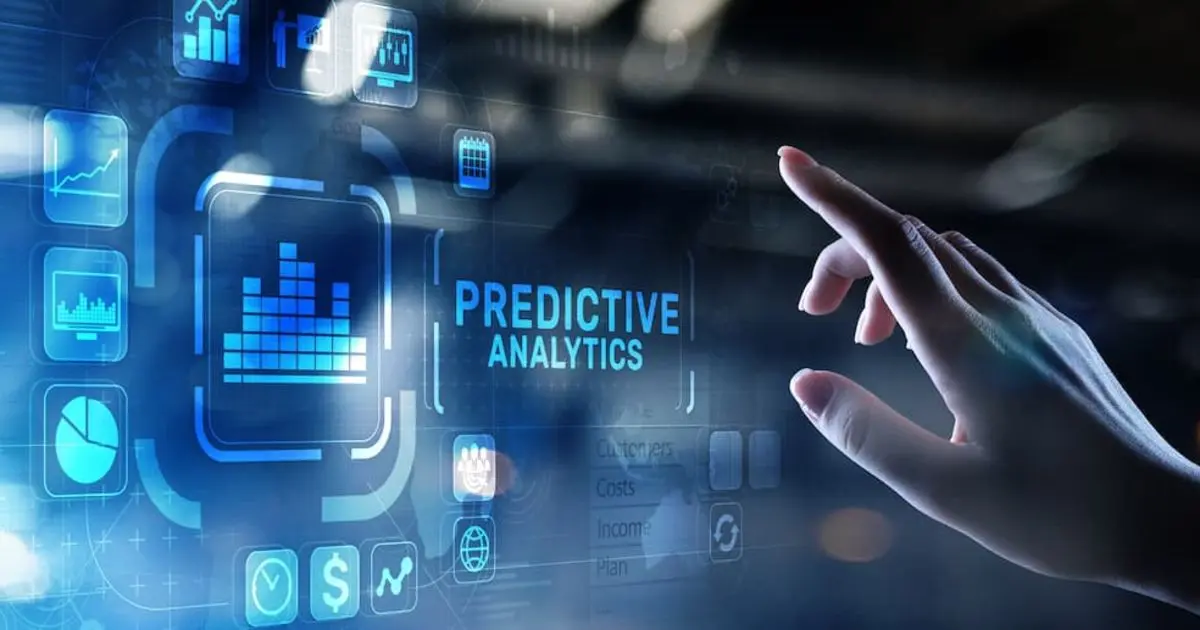
Predictive analytics is a technology that uses learning data to predict learners' future abilities, behaviors, and levels of achievement. Instead of just analyzing grades or final results, this technology considers the entire learning behavior: time taken to complete lessons, level of engagement, login frequency, test scores, and memory trends. From this, the system provides early warnings about the risk of falling behind or declining performance.
➤ Notably, Predictive Analytics not only records data but also identifies patterns and trends—something that would be difficult for humans to do manually with thousands of learners.
2. Why do businesses need this technology in employee training?
Early identification of the risk of falling behind.
Predictive technology helps detect signs of delays or decreased engagement before they impact performance. Businesses know immediately who is struggling so they can provide timely support.

Optimizing training programs
The data reveals which skills are overloaded, which courses are ineffective, and which departments are learning well or poorly. This allows businesses to easily adjust training content and methods.
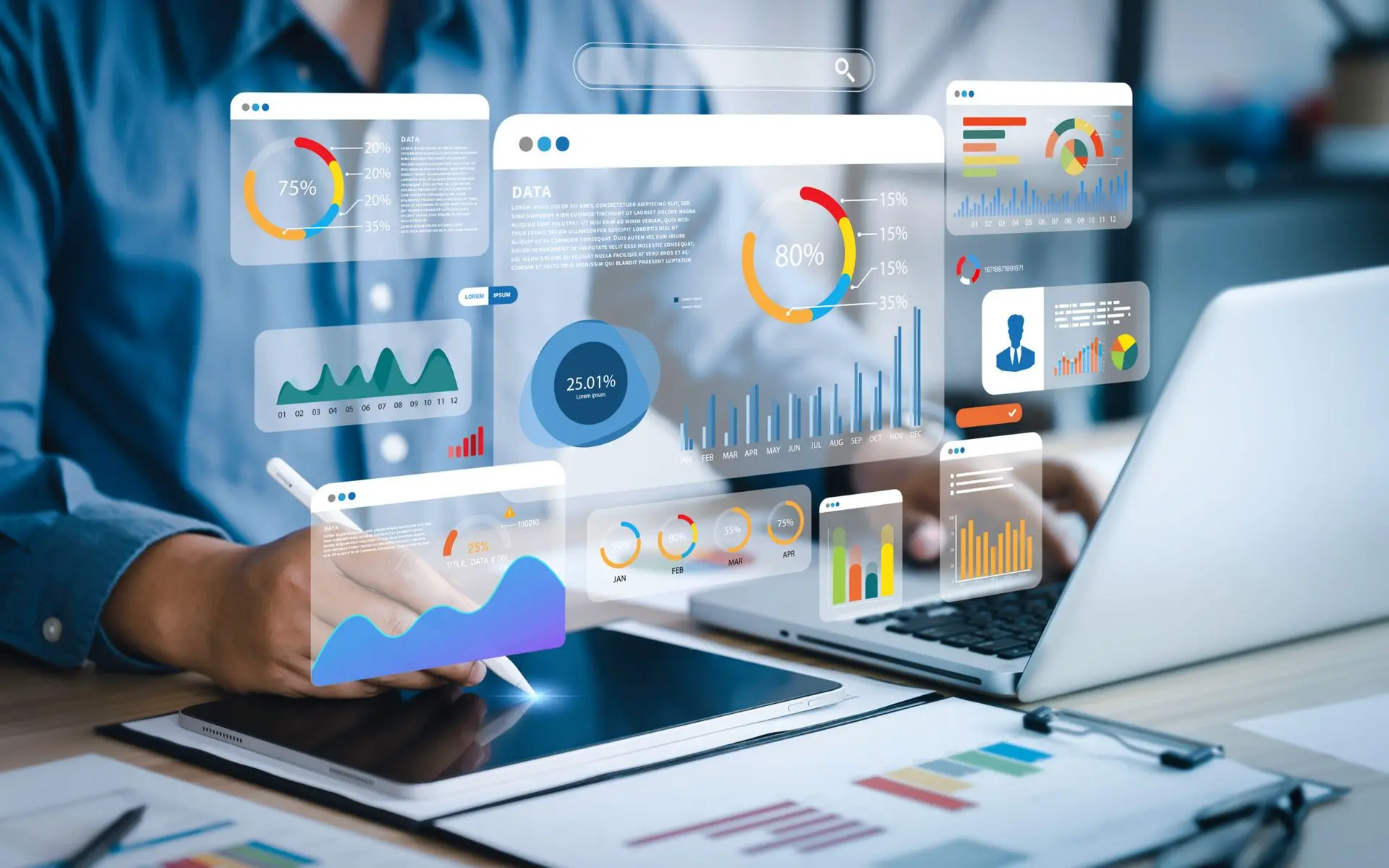
Personalize your learning path.
Predictive Analytics suggests tailored content for each employee based on their learning pace and behavior. This helps each learn effectively, reducing superficial learning.
Reduce training costs and increase investment efficiency.
Early detection of problems helps reduce retraining waste, optimize resources, and improve the ROI for the entire L&D program.
3. How does Predictive Analytics work?
Forecast of departments at risk
skill drop
The system analyzes progress by department and alerts when performance declines unusually.
→ This helps L&D plan retraining for the right group at the right time, instead of waiting until a problem arises.
Proposed actions for improvement
The system provides specific suggestions: support staff who need additional mentoring, optimize learning content, or adjust the learning path to suit each individual's abilities.
Collect learning data
The system records learning progress, interaction time, quiz scores, lesson completion levels, and learner behavior over time.
Predicting risks and skill gaps
AI identifies who is at risk of falling behind, which skills are declining, or which courses are likely to become less effective in the near future.
4. Application of Predictive Analytics in Businesses
The room is at risk of skill decline.
The system analyzes progress by department and alerts when performance declines unusually.
➤ Help L&D plan retraining for the right group at the right time, instead of waiting until a problem arises.
Suggest personalized learning content.
AI predicts missing skills based on learning behavior and memory retention levels.
➤ Automatically suggests suitable courses and exercises, preventing unnecessary learning and reducing information overload.
Optimizing internal training programs
The data indicates lessons with high dropout rates, tests that are too difficult/easy, and topics that improve performance best.
➤ Businesses streamline content, eliminate ineffective sections, and focus on what creates real value.
Track the learning pace of new employees.
Predictive Analytics identifies learners who are too slow, learn quickly but have poor memory, or struggle within the first week.
➤ Businesses should intervene early and provide timely support to reduce the rate of "overwhelming" employees and increase the effectiveness of integration.
Conclude
Predictive Analytics is a core technology that uses comprehensive learning data to predict the risk of future employee obsolescence. It helps businesses not only identify major skill gaps but also recognize subtle and hard-to-see signals such as decreased engagement, slow learning rates, or inconsistent memory retention.
This technology allows businesses to personalize learning content to suit each individual's learning pace, avoiding disorganized learning and reducing superficial learning. Simultaneously, Predictive Analytics helps optimize internal training programs by identifying ineffective courses, thereby reducing wasted training costs and significantly improving the Return on Investment (ROI) for the entire L&D program.
“Retudy redefines how people learn in the digital age — concise, focused, and easy to apply. For businesses, it’s an effective tool for continuously improving employee capabilities without disrupting workflow. For learners, Retudy fosters proactiveness and lifelong learning habits, aligning with the rapid pace of technological and market changes today.”



Retudy
Vietnam's leading smart training platform.
Let's explore new, exciting, and accessible microlearning lessons from amazing instructors, making learning fun and effective!