
1. What is gamification?
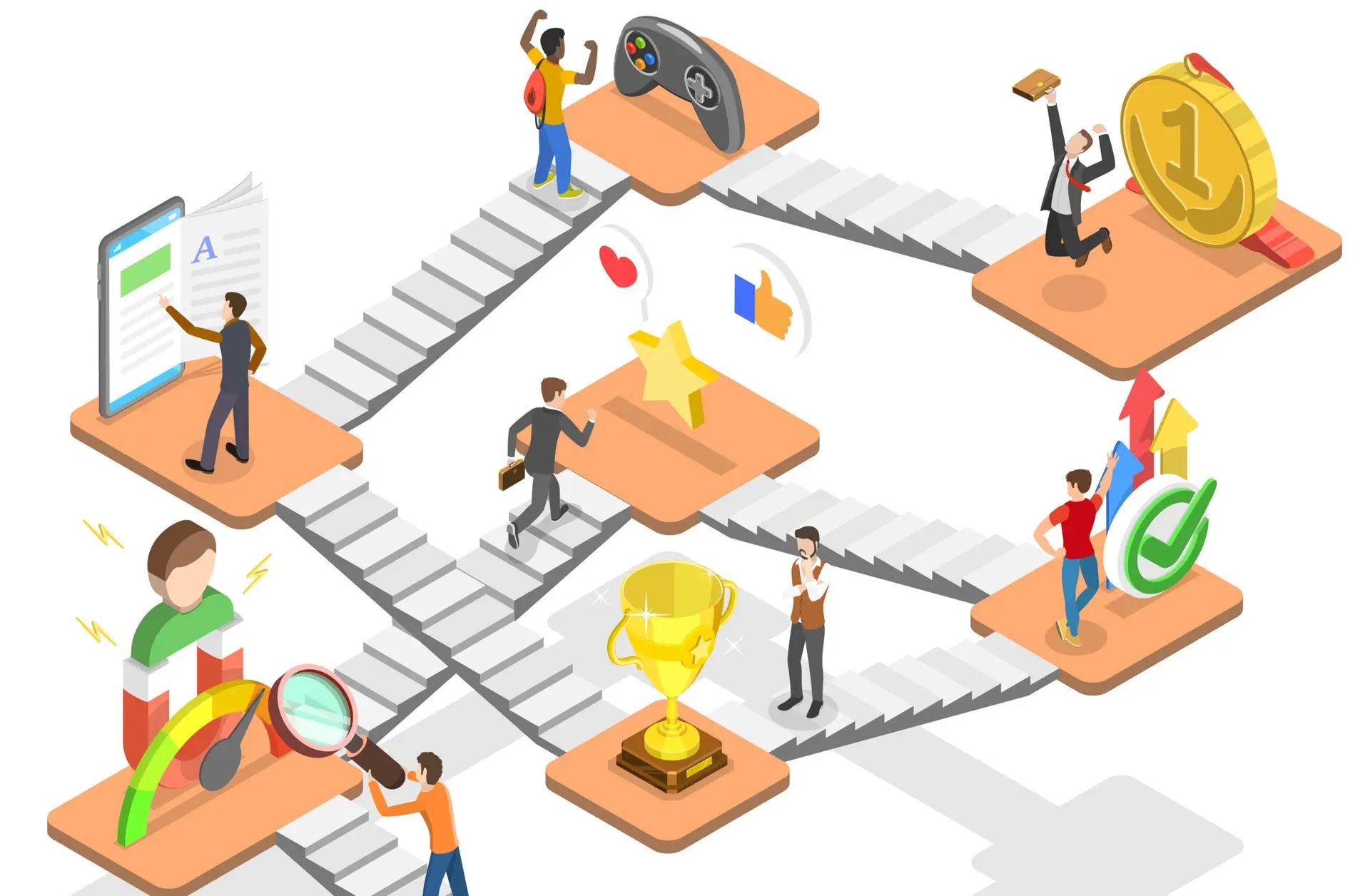
Gamification in E-Learning involves adding game elements such as points, badges, levels, and leaderboards to online learning activities. The goal is not only to make lessons "more fun," but also to encourage learners to engage actively, interact more, and ultimately learn deeply and retain information longer. Additionally, learning through the "play to learn" mechanism helps knowledge to be absorbed naturally, reduces the feeling of dryness, and increases long-term retention. Thanks to these benefits, gamification is increasingly becoming an important factor in designing and implementing modern E-Learning programs.
| GAMIFICATION
“Learners make better progress when they have clear short-term goals and receive regular feedback on their learning process.”
— Dale H. Schunk, Educational Psychologist
This is the core mechanism that gamification leverages. Therefore, gamification is not just superficial "gameification" but the application of behavioral science to optimize learning.
➤ Popular Gamification Elements

Score
Measurement unit of activity, used to quickly assess progress.
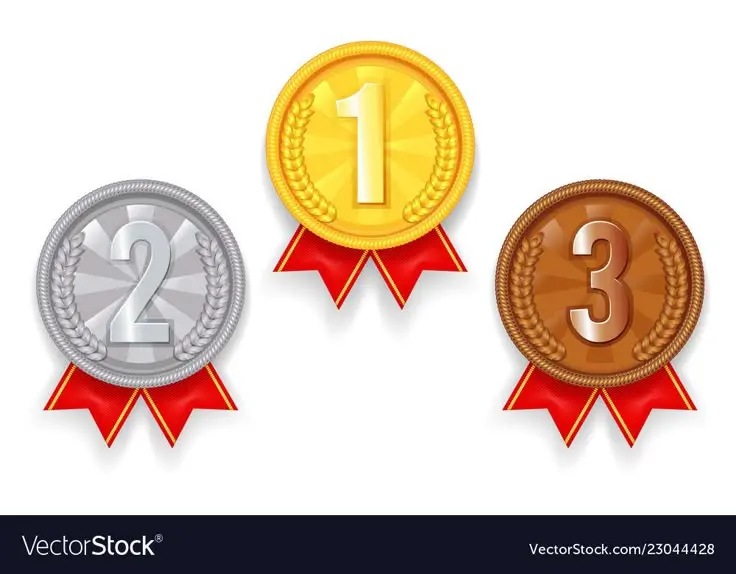
Badge
Certification badge after completing the task.
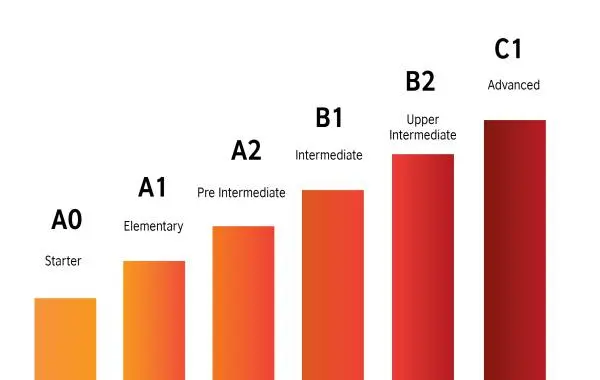
Level
Gives a feeling of "leveling up," unlocking new content when reaching milestones.
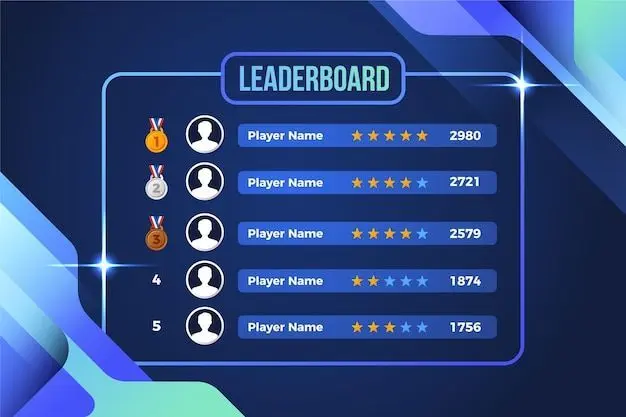
Ranking
Stimulating competition (be cautious with the learning environment).
Challenge
The exercises are packaged into specific tasks, creating a sense of purpose.

Reward
For example, reward points, certificates, premium content access
2. Benefits of Gamification in E-Learning
Gamification brings many clear benefits in E-Learning, making the learning process more dynamic, engaging, and effective. When learning in a fun environment with clear goals, learners can easily maintain their interest and achieve better results.
1
Increase engagement and retain learners
Gamification helps transform dry lessons into more engaging experiences through elements such as scores, badges, rewards, and leaderboards. When learners have specific goals and are recognized for their achievements, they shift from a state of "passive listening" to "active participation."
2
Improve memory and knowledge acquisition
Research shows that gamification stimulates long-term memory through reward mechanisms and a sense of achievement. When learners engage in games, challenges, or simulated situations, they not only remember better but also understand more clearly how to apply knowledge in real life.
3
Promote continuous and personalized learning
Thanks to the design of a leveling system, tasks, and personalized learning pathways, gamification helps learners track their progress and self-adjust their pace accordingly. Every small step forward is recognized, creating a clear sense of progress and maintaining long-term engagement.
4
Promoting behavior change and skill transfer
When tasks are designed to be connected to real-life situations (task-based quests) and have a mechanism for frequent feedback, learners are more likely to develop new habits and apply skills to their work. Gamification helps shift the focus from "knowing the theory" to "practicing proficiently."
3. Implementing Gamification in E-Learning
➤ Identify the student group
Before starting, it is important to clearly understand who the target learners of the course are. Each group will have different needs, motivations, and ways of receiving information. Analyzing the characteristics of the learners helps designers choose appropriate game elements, such as a points reward system for competitive groups or content unlock rewards for those learning for enjoyment.
➤ Determine the support of the course for employees
Gamification is not just for "fun" but must be linked to actual training effectiveness. Clearly define what skills the course will help employees develop, whether it's communication, creative thinking, or handling work situations. When learners understand the connection between gamification and work objectives, they will see the practical value and be more actively engaged.
➤ Identify specific learning objectives
An effective gamification strategy always starts with clear and measurable learning objectives. These objectives should reflect the desired outcomes after completing the course, such as "improving problem-solving skills in 2 weeks" or "completing 90% of practical exercises." This ensures that game elements like points, levels, or tasks directly serve the achievement of learning outcomes.
➤ Integrating Gamification into Course Design
After clearly identifying the learner group and objectives, the next step is to choose an appropriate way to integrate gamification. Ask the question: which game elements can help learners achieve their goals faster, such as a quest system, instant feedback, or group leaderboards? The integration of gamification should be designed naturally within the lesson content, avoiding a feeling of "forced" engagement, so that learners can enjoy themselves while learning effectively.
4. Some successful applications of Gamification integrated in Vietnam
➤ Retudy

Implementation method: Retudy breaks lessons into small videos (3–7 minutes), integrating progress tracking, mini-quizzes, and rewards after each lesson, along with a personal scorecard. The platform also features smart progress tracking and suggests learning paths.
Used elements: Micro-quests, badges, progress bar, interactive quiz.
Results: The micro-content structure (short lessons of 3–7 minutes) reduces feelings of overwhelm, making it easier for users to start and maintain progress. The progress bar and smart learning path suggestions create a sense of control and clear direction, thereby increasing the course completion rate. This model is particularly effective for working professionals, a group of learners with limited time who need concise, practical content that can be immediately applied to their work.
➤ VioEdu (FPT IS – general online learning platform)

| VioEdu
✦ Implementation method: Students participate in the "Mathematics Arena," completing tasks to earn diamonds, badges, and reward points. The application uses AI to analyze each student's abilities, breaking lessons into smaller tasks, while also displaying progress and rankings by class, school, or nationwide.
✦ Elements used: Missions, badges, leaderboards, progress bar, reward shop (exchange gifts for diamonds).
✦ Results: The point accumulation and reward exchange mechanism encourages students to study more regularly; the ranking stimulates positive competition; personalized AI helps each student see clear progress. However, the competitive element needs to be balanced to avoid putting pressure on weaker students.
Vision
In the future, gamification is predicted to continue playing a key role in shaping the online learning experience. As artificial intelligence, data analytics, and virtual reality technologies advance, gamification will not only stop at adding points or badges but will also move towards a deeper personalization of each individual's learning journey. The system can automatically adjust the difficulty level and suggest tasks that align with the learner's abilities and motivations. Additionally, the combination of gamification and experiential learning will help learners develop practical skills in a dynamic simulated environment. The long-term vision of gamification in E-Learning is to create engaging, highly interactive learning ecosystems where learning becomes an exciting, sustainable, and lifelong inspiring journey.
“What we learn with pleasure we never forget."