
1. What is the learner-centered approach?
The "Learner-Centered approach" is a teaching method in which the learner is at the center of all decisions regarding the design and implementation of the course. Instead of merely transmitting knowledge from the instructor to the students, this approach encourages learners to actively participate, self-reflect, set their own goals, and learn at their own pace. In the context of e-Learning, learner-centered means that courses are designed so that learners feel the content is relevant, the interactive activities are rich, and the learning path is clear, allowing them to track their progress and achieve maximum effectiveness.

| LEARNER CENTERED APPROACH
According to the Self-Determination Theory (Deci & Ryan, 2000), people learn better when they feel they have control over their own learning. In a learner-centered approach, students can choose their own pathways, set goals, and adjust their learning pace, which enhances intrinsic motivation and leads to more effective learning.
2. Why is the Learner-Centered approach important in E-Learning?
The learner-centered approach is important in E-Learning because it helps address common issues of online learning such as lack of motivation, difficulty concentrating, and content that does not meet needs.
1
Increase participation and learning enthusiasm
When the content and activities are designed around the needs, interests, and goals of the learners, they find it easier to feel connected and excited about the lesson. Students do not just passively listen or read; they engage in practice, discussion, and problem-solving, thereby creating a dynamic, engaging, and inspiring learning experience.
2
Create stronger learning motivation
When learners see that they have the power to control their progress, choose their pathways, and set their own goals, they naturally have a higher motivation to learn. A learner-centered approach helps learners understand why they are learning and what they are learning for, which in turn encourages them to actively seek information, practice skills, and apply knowledge in real life.
3
Better knowledge retention effectiveness
Instead of learning through rote memorization, learner-centered approaches place students in practical situations, simulations, projects, or discussions, helping them to research, analyze, and make decisions. Learning through real-life experiences helps to reinforce knowledge more deeply, making it easier to remember over the long term and apply more flexibly in real-world situations.
4
Personalized learning experience
Learner-centered helps design content, pathways, and learning methods that are suitable for each individual. Learners can choose modules, pace, format (video, text, audio), practical activities, and even the order of learning to match their abilities, learning styles, and personal goals.
3. Steps to Apply the Learner-Centered Method in E-Learning Design

Identify the learner's profile
Collect information about age, level, learning goals, device usage habits, learning behaviors... Understanding the learner helps design content and experiences that meet actual needs.
Clarify learning objectives based on competencies
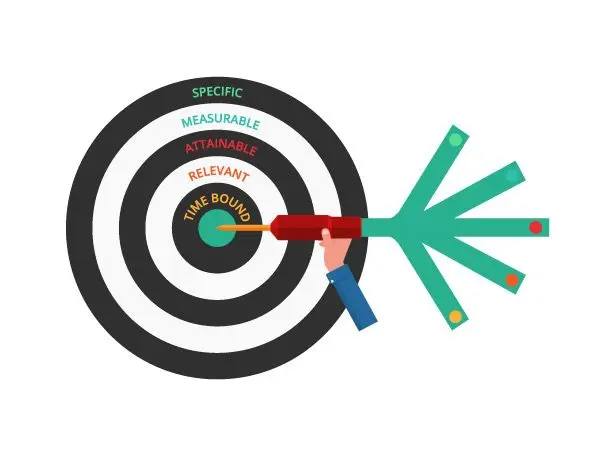
Not only does it set goals for the course, but it also specifically describes what learners will be able to do after each lesson. This helps the course have a clear direction and avoids being off-topic.
Building a flexible learning pathway
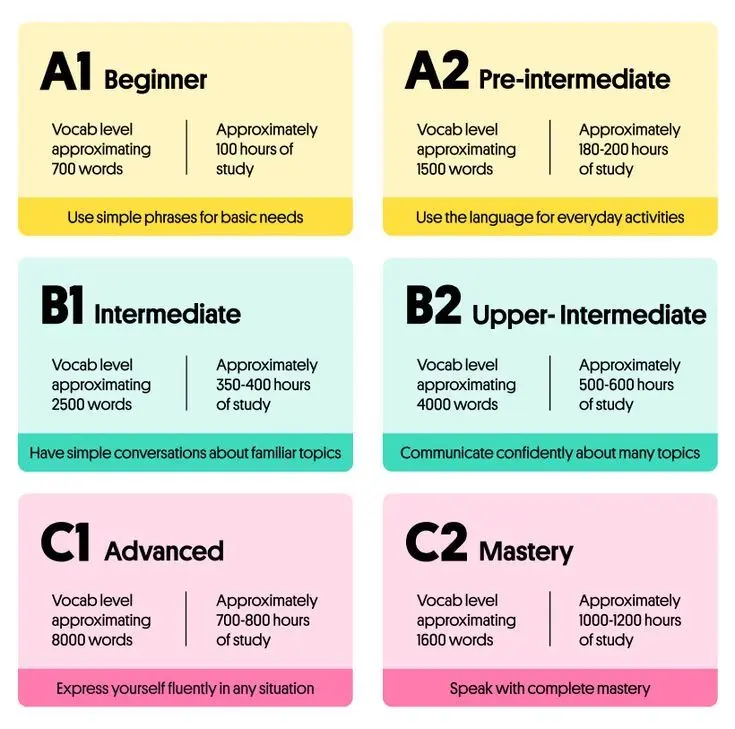
Instead of imposing a fixed learning path, E-Learning design should allow learners to choose the order of lessons, the pace of learning, or the content they want to prioritize. This aligns with each individual's capabilities.

Enhancing active interaction of learners
Apply quizzes, small tasks, discussions, and immediate feedback loops. This interaction helps learners maintain attention and increases their ability to remember, thereby improving their learning outcomes.
Personalizing the learning data experience
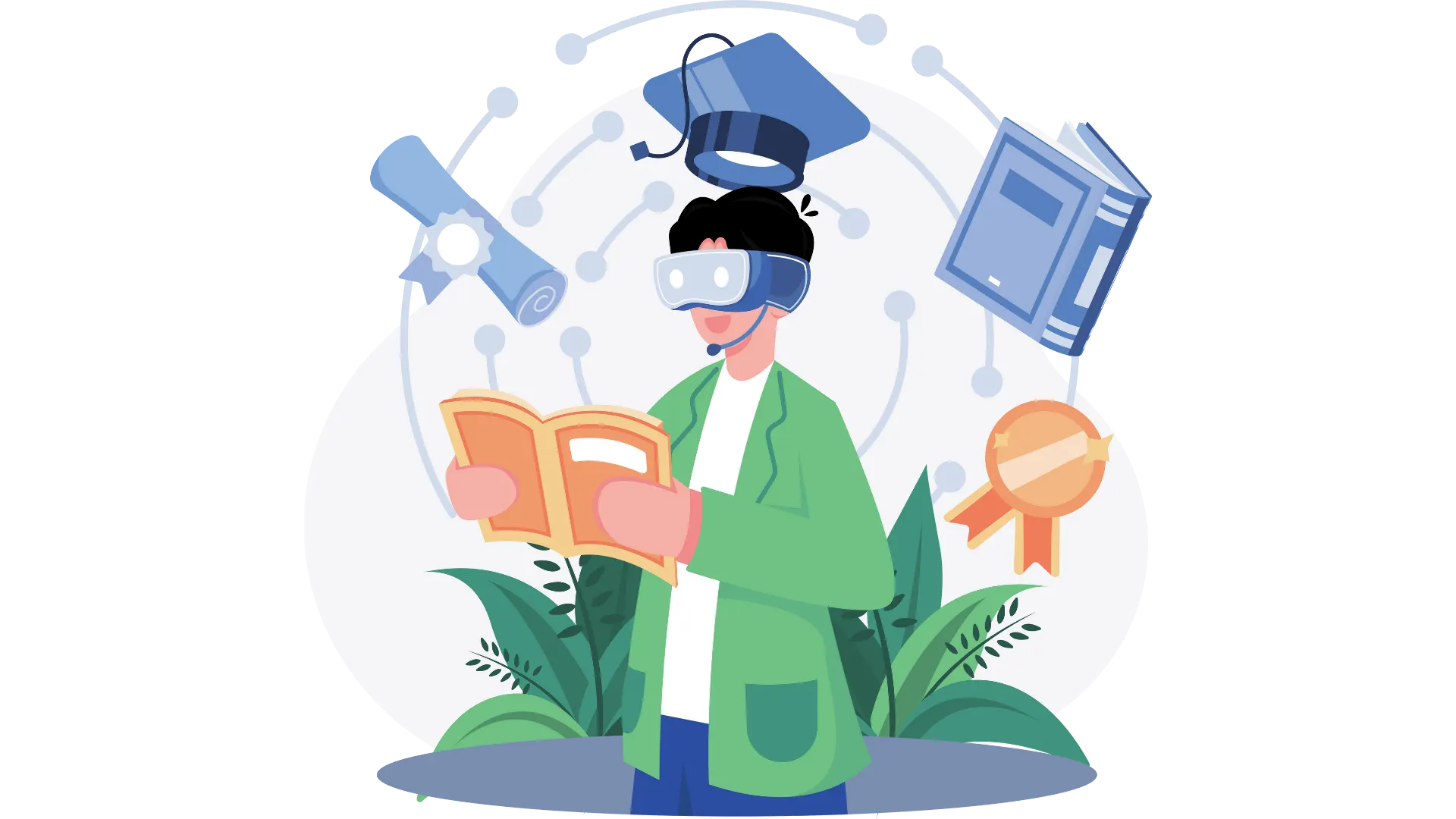
Based on progress, proficiency level, exercise results, etc., to suggest more suitable content for each learner. This is a core factor in retaining students in the E-Learning environment.
Continuous evaluation and improvement
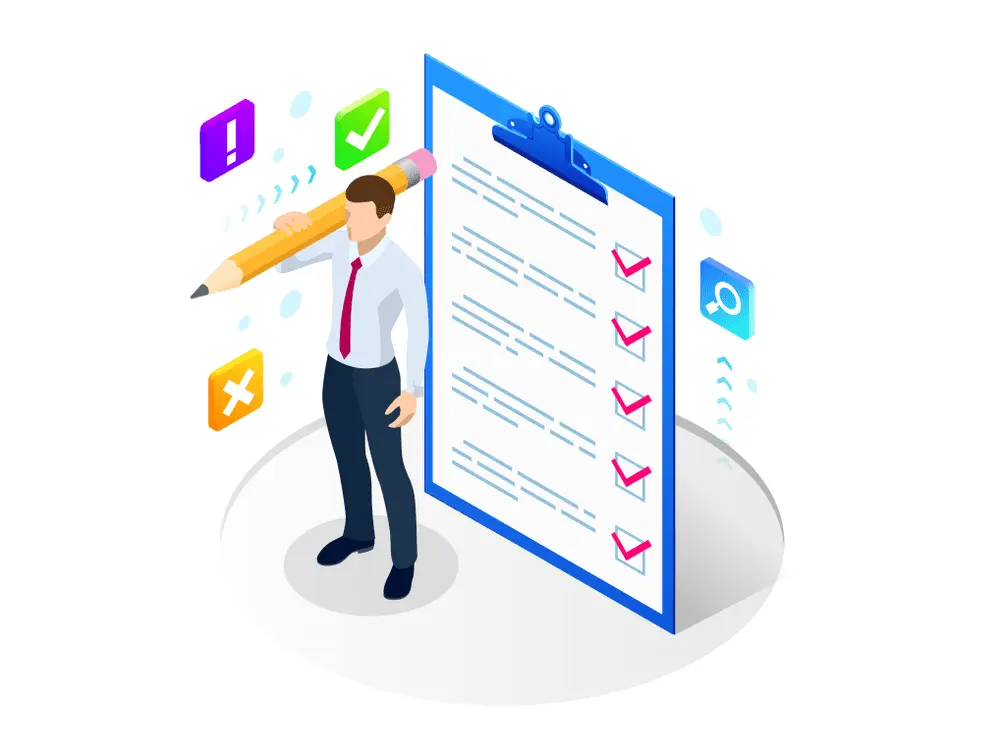
Collect student feedback, record learning behaviors, and analyze data to adjust content. This model ensures that the course remains updated and relevant to learners over time.
According to The Proceedings of the National Academy of Sciences,
"Active learning" helps achieve an average test score that is about 0.47 standard deviations higher
compared to traditional teaching.
4. Case Study: PREP - E-Learning Application Using a Learner-Centered Approach
➤ Prep

| PREP
✦ Personalized roadmap
PREP builds a personalized learning path for each student based on their level, goals, and individual abilities. The content, level of challenge, and exercises are all adjusted to suit each person, helping students learn exactly what they need and at their own pace.
✦ Virtual practice room – active practice
The virtual speaking rooms and virtual writing rooms on PREP create opportunities for learners to practice real skills and receive immediate feedback. Learners actively participate, correct mistakes, and improve their skills, rather than just passively receiving information. This feature clearly demonstrates that learners are placed in a leading role in the learning process.
✦ Personal feedback & continuous support
The "Teacher Bee AI" system, along with real instructors, provides continuous feedback, answers questions, and offers learning guidance for each student. As a result, learners are always accompanied and monitored in their personal progress, helping them feel cared for and motivated to study.
➤ Retudy

✦ The learning content is concise and tailored to individual needs
On Retudy, learners have access to very short lessons (Micro-Modules) that usually last only a few minutes each, allowing them to learn at their own pace and choose topics that align with their personal goals, such as English exams, professional knowledge, or soft skills. Thanks to this content division, Retudy helps learners actively adjust their learning paths to fit their available time throughout the day, rather than being "forced" into a fixed learning schedule.
✦ Regular interaction and review
Retudy integrates quizzes, short tests, and a continuous assessment system that helps users review content immediately after learning. This not only reinforces knowledge but also provides instant feedback, an important factor in the learner-centered approach, as learners do not wait but have their learning paths adjusted based on their actual performance.
✦ Gamification & learning motivation
Retudy uses game elements such as a points system, badges, and leaderboards to enhance student motivation. Tracking progress through points and comparing oneself to others creates a sense of achievement and progress, encouraging learners to return to the app to maintain their study habits.
Conclusion
The learner-centered approach is becoming a core element in modern E-Learning design. When content and experiences are built based on the actual needs, goals, and behaviors of learners, learning effectiveness increases significantly: they become more proactive, remember better, and drop out less. In the context of rapidly developing digital education, applying a learner-centered approach not only improves the quality of courses but also helps platforms create sustainable value and attract long-term learners.