:%20The%20trend%20of%20mobile%20learning%20dominates%20the%20digital%20age.?unique=7280c43)
1. What is Mobile Learning?
Mobile Learning (M-learning) is a form of learning that uses mobile devices such as smartphones and tablets to access materials, applications, and interact with learning content anytime, anywhere. This form provides flexibility and convenience, allowing learners to autonomously arrange their study time and space according to their needs. Mobile Learning is not just about transferring E-learning content to mobile devices. It is a learning method specifically designed for mobile environments, featuring concise, easily digestible content with high interactivity, optimized for small screens. This approach leverages the unique features of smartphones such as cameras, GPS, push notifications, and touch screens, thereby offering a diverse, dynamic, and more effective learning experience.

| MOBILE LEARNING
The research from the Mobile Marketing Association indicates:
The average user unlocks their phone 58 times a day, with 70% being "micro-sessions" lasting under 2 minutes.
➤ And M-learning was created specifically to take advantage of these "quick touches"!
That is why microlearning and mobile learning always go hand in hand; they create a habit of short learning but deep understanding.
➤ Mobile Learning is characterized by:
✦ Short, clear, and easy to manipulate content.
✦ Optimize display for small screens.
✦ Instant access with just 1–2 taps.
✦ Support learning on multimedia platforms (video, audio, images, mini-quizzes).
✦ High connectivity, from push notifications to real-time interaction assessments.
2. Why has Mobile Learning become a popular learning trend?
The popularity of mobile devices
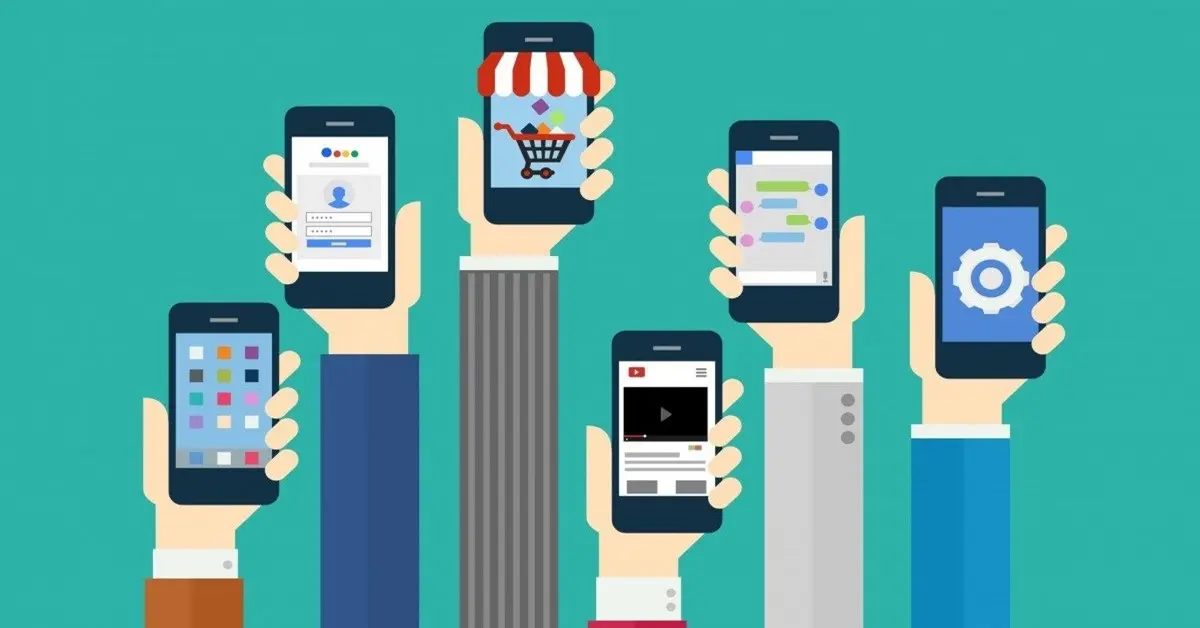
Smartphones have become an indispensable part of modern life. Not only used for calling, phones are now the center of entertainment, work, and learning. There are over 6.5 billion people worldwide who own a smartphone, and this number continues to grow steadily each year.

The need for flexible learning for busy people
In the age of speed, learners can no longer spend hours in front of a computer screen. Instead, they prefer "quick bite" content that is 5 minutes, 7 minutes, or even 2 minutes long but has immediate applicability.

Remote work & hybrid models are thriving
After the COVID-19 pandemic, the world shifted to a hybrid model. Employees need to continuously update their skills without having to attend centralized training classes. M-learning addresses this gap by putting entire lessons on mobile devices.

Economic potential and huge market
The M-learning market is predicted to exceed 80 billion USD by 2027, with a growth rate of 21.3% per year. This demonstrates that mobile learning is a "super hot" industry and will continue to thrive in the next 5–10 years.
3. Outstanding Benefits of Mobile Learning
1
Learn right - Anytime - Anywhere
The greatest strength of M-learning is its absolute flexibility. Learners are not limited by time or location. They can study while: commuting, waiting for a friend, during lunch breaks, before bedtime, or while working on practical tasks. The concept of "just-in-time learning," learning when needed, creates much higher effectiveness compared to traditional learning methods.
2
Cost savings for individuals and businesses
Companies do not need to incur costs for organizing classes, renting rooms, or printing materials. Learners do not spend money on travel or time commuting. Many reports indicate that M-learning helps businesses reduce training costs by 30–50% while still ensuring effective learning.
3
Personalization of study experience
học tập
Each learner has different needs, speeds, and goals. Mobile Learning allows for: suggesting content based on each individual's level, tracking progress and adjusting the learning path, reminding users to study at the right moment when they are able to absorb information, and customizing the difficulty of exercises according to the learner's behavior.
4
Increase engagement and retain learners better
Mobile Learning often comes with gamification: badges, experience points, leaderboards, virtual gifts, learning levels. These elements create a light competition that encourages learners to be more proactive and engaged for longer periods, especially among younger groups.
4. Practical Applications of Mobile Learning in Vietnam
➤ Retudy - Mobile Microlearning Platform

Young people in Vietnam are increasingly facing a busy lifestyle, having to balance studying, work, and maintaining social and recreational activities. In this context, spending many continuous hours on traditional studying has become difficult and sometimes ineffective. Therefore, the demand for quick, concise learning tailored to specific goals has become more urgent than ever. Recognizing this gap, Retudy was born as an intelligent learning solution, combining the Microlearning method so that users can learn small pieces of knowledge, apply them immediately, and develop a habit of regular daily study.
Features of the Retudy application:
✦ Split the content into short videos of 3–7 minutes, suitable for learning habits on mobile phones.
✦ Integrate mini-quizzes, progress bars, badges, and experience points to maintain daily motivation.
✦ The system recommends a learning path based on the user's progress.
✦ Learn quickly during "free time" such as waiting for a ride, taking breaks, or standing in line.
Result:
✦ Increase the completion rate of learning by 2–3 times compared to traditional learning methods.
✦ Help beginners easily access information without being "overloaded" with knowledge.
➤ Duolingo - One of the most successful Mobile Learning models in the world
| duolingo
Mobile Learning features of Duolingo:
✦ Super short lessons (1–3 minutes), perfectly suited for “micro-sessions”.
✦ Maximal gamification: streak, XP points, league, challenges, chest, coin.
✦ User behavior-based learning reminder notification.
✦ The "tap-to-learn" design is suitable for mobile devices and optimizes touch intactions.
✦ The lesson includes audio, images, mini-quizzes, listening practice, speaking practice, all in a compact interface.
Impact:
✦ Become the world's number 1 educational app with over 500 million users.
✦ Retaining learners very well thanks to the habit of studying every day.
✦ M-learning + microlearning creates a fun, light, yet very effective learning model.

The Future of Mobile Learning
In the coming years, Mobile Learning is expected to continue to grow strongly thanks to advancements in mobile technology and wireless networks. Mobile devices are becoming more powerful, with larger screens, faster processing speeds, and widespread 5G/6G coverage, which will provide a smooth mobile learning experience with almost no limits on time or location. Learning content will increasingly be designed to be concise, intuitive, highly interactive, and maximally personalized, meeting the learning needs of each individual learner. The future of M-learning is not only a personal learning tool but also an important part of corporate training strategies, formal education, and lifelong skill development, helping people learn continuously, flexibly, and adapt quickly to the pace of modern life.
"The greatest achievement of technology is not how it changes lives, but how it improves them."
