
1. How is the brain being "reprogrammed"?
The human brain is inherently designed to process information deeply, but in the digital environment, where information appears continuously, concisely, and is highly stimulating, it is gradually changing its operation. Frequent scrolling through social media, watching short videos, or reading quick news makes the brain accustomed to receiving information in very short bursts, constantly switching between content and prioritizing novelty over delving into a topic. In the long run, this diminishes the ability to maintain attention for extended periods, a core factor that directly affects learning and work effectiveness.
The consequence is:
- The ability to concentrate deeply decreases
- Not accustomed to processing information quickly, briefly, and in a fragmented manner
- Studying for long periods of time has become more difficult
The problem is not that you lack discipline, but that the learning method is not truly compatible with how your brain is currently functioning. This change leads to a paradox: the harder it is to concentrate, the more we try to study longer - and that very thing makes learning harder to sustain than ever before.
2. Why is it that the longer you try to study, the easier it is to give up?
One of the core reasons comes from the dopamine mechanism – the “reward” that the brain receives when you engage with new content such as notifications, short videos, or social media. These rewards do not appear according to a fixed pattern, but are random, keeping the brain in a constant state of waiting and seeking the next stimulus. At that point, an important change occurs: the brain gradually becomes accustomed to quick, strong, and immediate stimuli. In contrast, activities like reading long documents, studying theory, or doing in-depth work do not provide an immediate sense of “reward.” This makes them less appealing, even though they may have greater value in the long run.
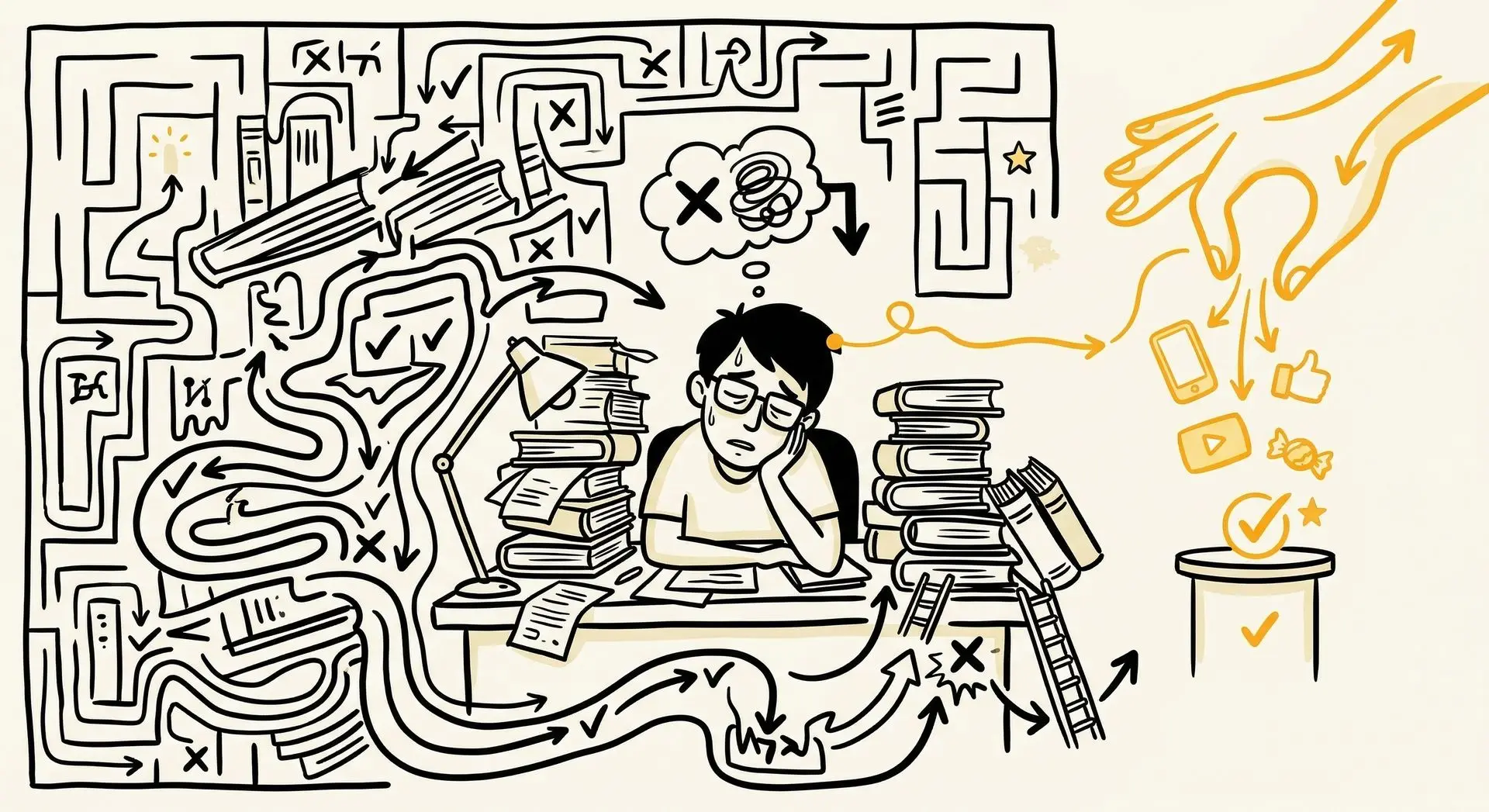
This very difference creates a clear contradiction in the way you learn: while the brain wants information to be quick, short, and with instant feedback, you ask it to maintain focus on long and complex content. This asynchrony causes the brain to quickly become "impatient," leading to you being constantly distracted or feeling fatigued when studying for too long.
The consequences often occur in a familiar loop: initially, you try to focus, then gradually lose attention, feel overwhelmed, and finally give up. It's not because you lack discipline, but because your brain is operating under a mechanism that differs from the way you are learning. In other words, the issue is not that you haven't studied enough, but that you are learning in a way that is no longer compatible with how the modern brain receives and processes information.
3. New Learning Trends in the Digital Age
When the way the brain processes information has changed, continuing to learn using old methods is no longer as effective as before. Instead of trying to extend study time, the new trend focuses on optimizing the learning process - helping learners maintain concentration, reduce pressure, and increase absorption capacity in shorter time intervals. This approach helps reduce "resistance" when starting to learn, as learners are no longer pressured by lengthy and heavy content. At the same time, it also enhances memory retention by focusing on small, clear units of knowledge.
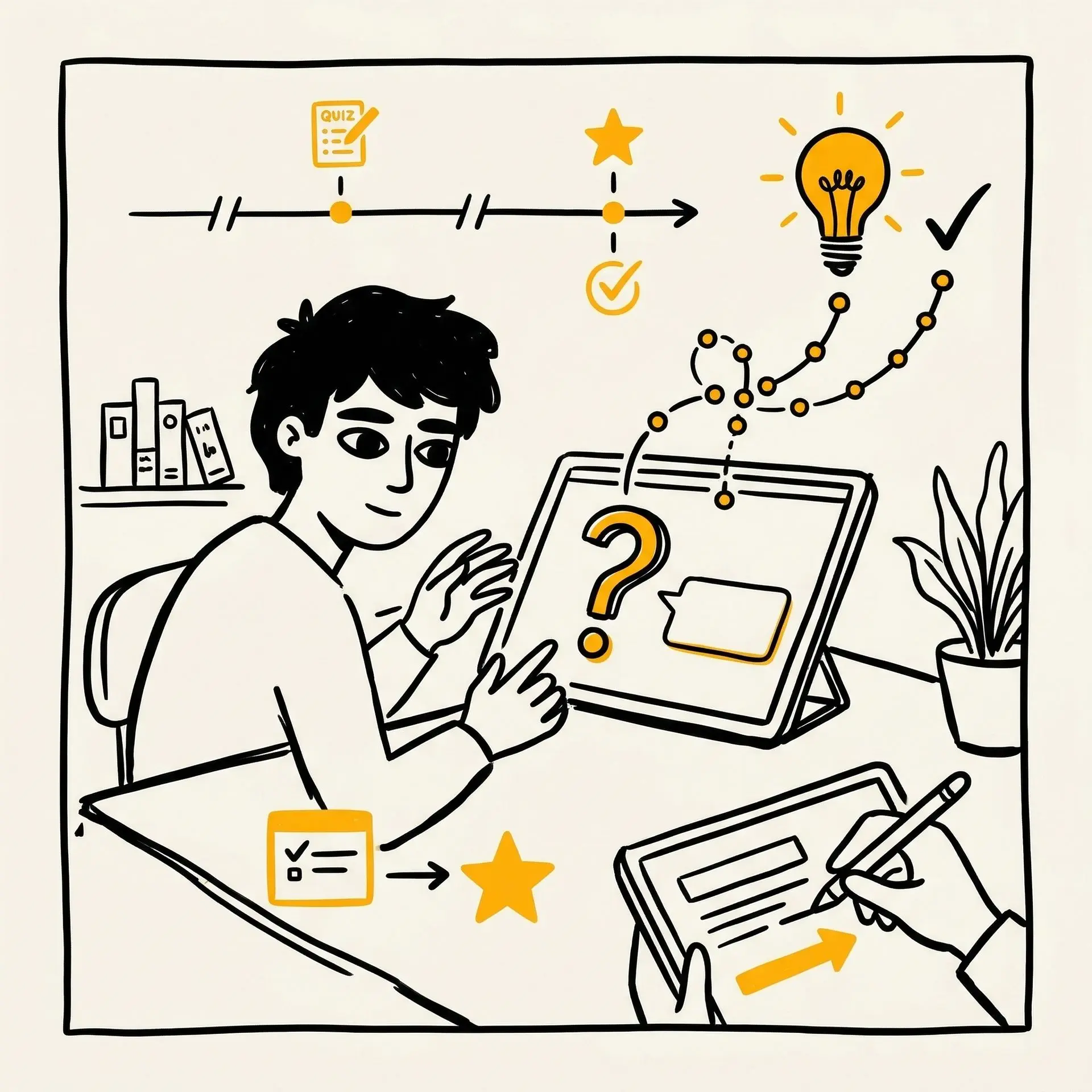
➤ Increase interactivity
Students receive quick feedback through questions, exercises, or real-life situations.
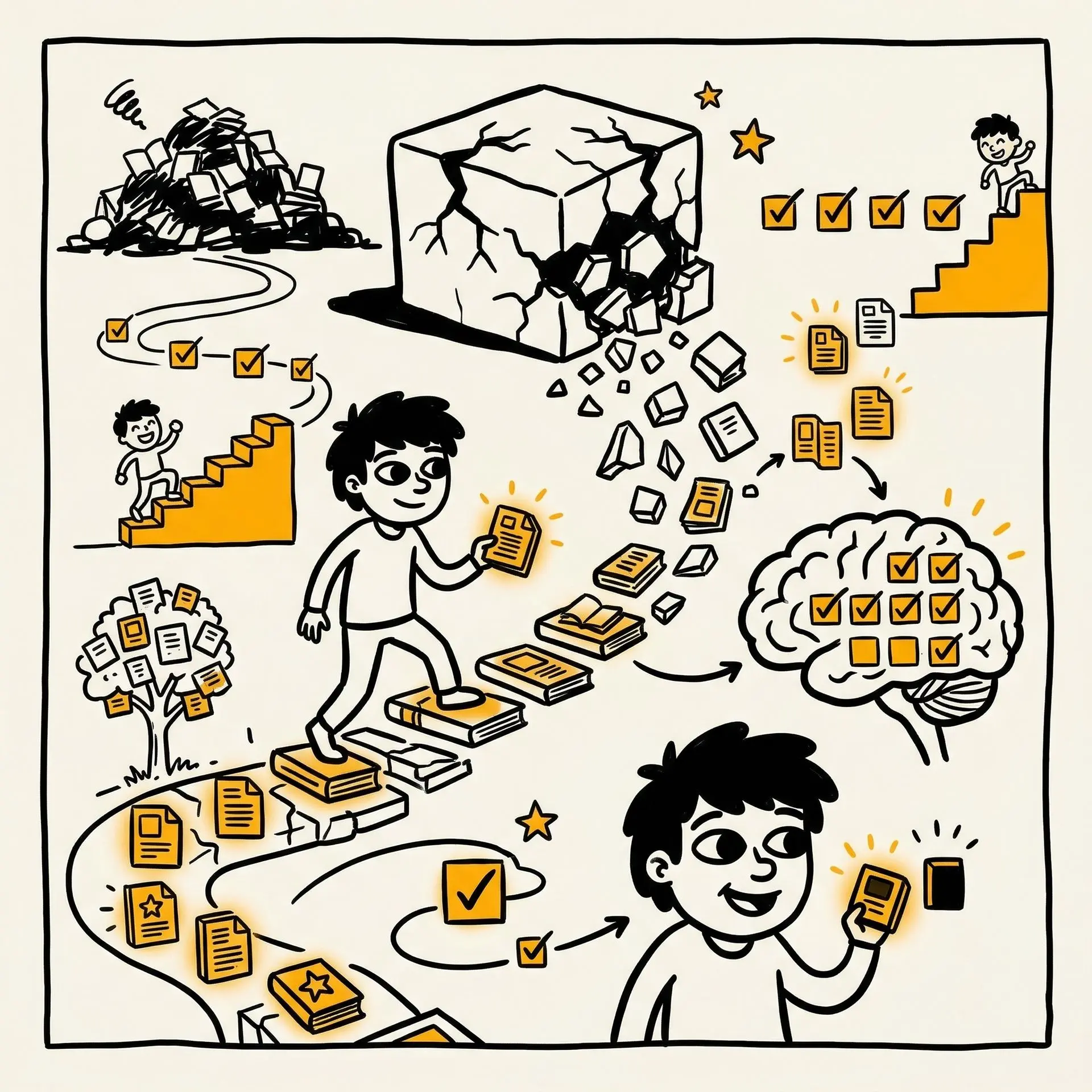
➤ Break down content (microlearning)
Knowledge is divided into short, accessible, and easy-to-remember parts.
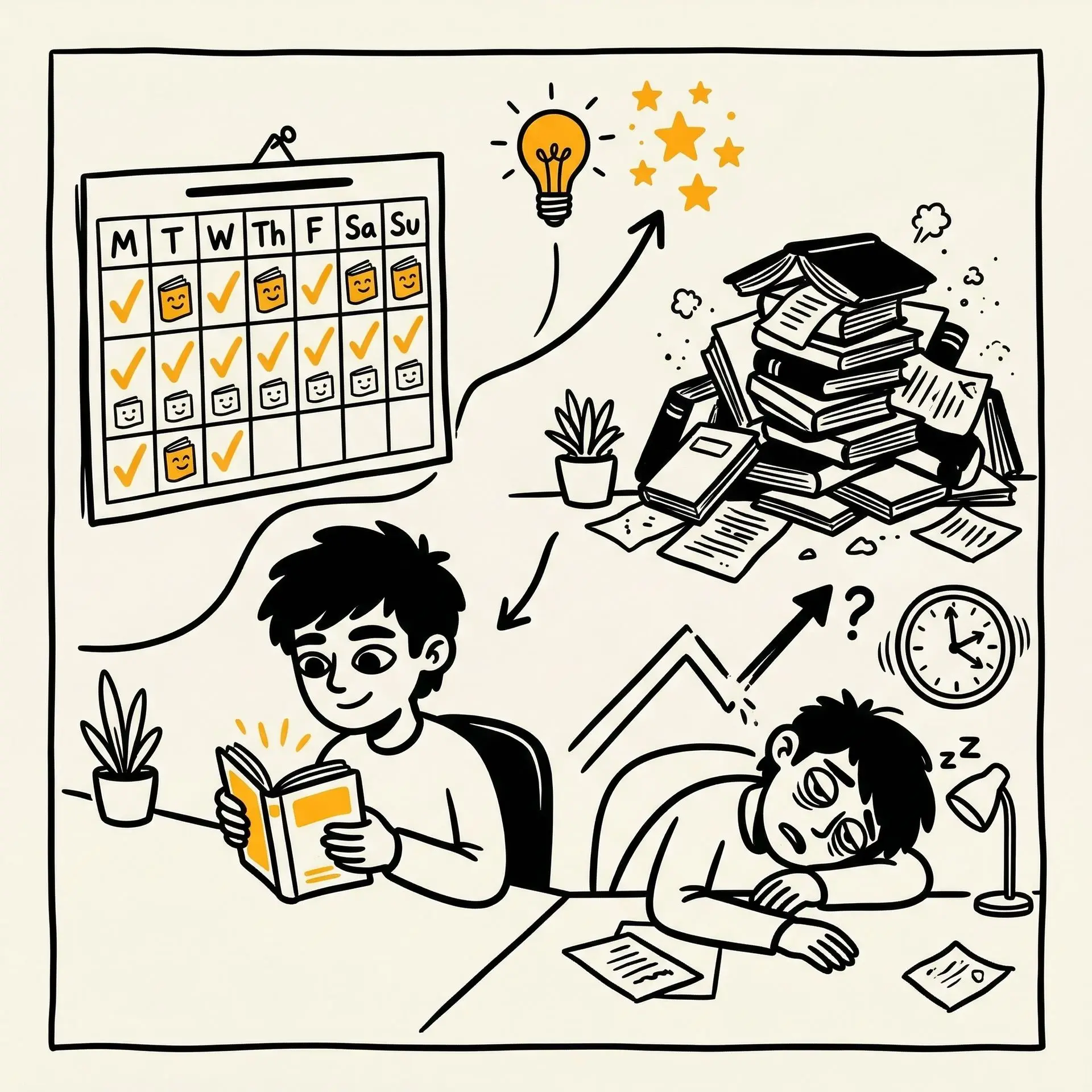
Study consistently instead of cramming
Studying a little every day but consistently is more effective than studying a lot and then forgetting.
In summary, in the digital age, the decrease in concentration ability is not necessarily due to a lack of discipline, but rather how the brain is adapting to an information-rich environment. Therefore, instead of trying to learn more or extending study time, it is important to change the way of learning: shorter, more consistent, and more interactive. This is also why flexible learning models that break down content are gradually becoming a trend, helping learners maintain a pace without feeling overwhelmed. Some platforms like Retudy are also moving in this direction, focusing on short, easy-to-understand lessons that can be immediately applied to daily work. As a result, learning is no longer a burden, but becomes a gentle habit - consistent enough to make progress, simple enough to maintain in the long run.
Connect with RETUDY
Please leave your information, and we will contact and assist you as soon as possible.