
1. Critical Thinking
Critical thinking is the process of analyzing, evaluating, and verifying information logically by asking questions such as why, how, or whether it makes sense. This is a core competency that helps individuals view issues from multiple perspectives before reaching a conclusion. In an era where AI can generate vast amounts of information in an instant, critical thinking is no longer an advantage but has become a necessary skill to avoid dependency and make accurate decisions.
Although AI has the ability to provide seemingly perfect answers almost instantly, they are not the truth. There have been many instances where AI has produced fabricated information or relied on biased input data. Therefore, a critical thinker is someone who does not blindly trust the results generated by machines. Instead, they always maintain the sharpness to question the origins of the information, actively compare and contrast issues through various lenses. The ability to quickly identify discrepancies, logical gaps, or underlying biases in the vast data sets is the dividing line between a true expert and a mere keyboard operator.
➤ Critical thinking helps learners not to be completely dependent on AI, but to know how to use AI as a supportive tool rather than an "absolute truth." This is also the foundation for making accurate decisions in complex situations, where data is insufficient or there are many uncertain factors.
2. Emotional Intelligence (EQ – Emotional Intelligence)
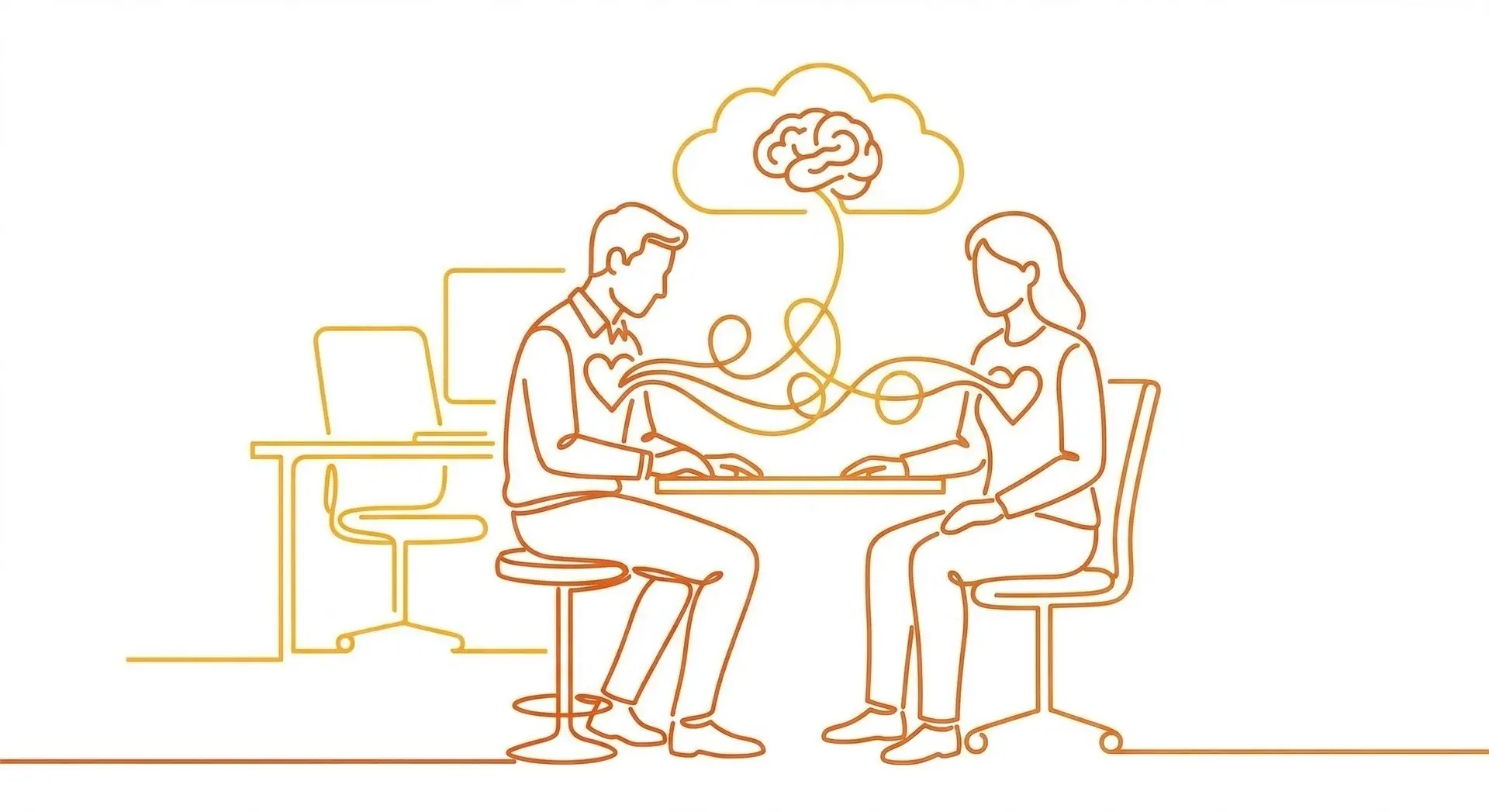
Emotional intelligence is the ability to recognize, understand, and regulate one's own emotions, while also empathizing and interacting effectively with others — one of the skills that AI still cannot fully replace today. In the workplace, EQ is not just a "supporting" skill but directly influences how an individual communicates, builds trust, and develops within an organization. A person with high EQ not only speaks accurately but also knows how to communicate in a way that is easily received by others, listens well, and handles conflicts skillfully, thereby creating sustainable collaboration.

Emotional intelligence (EQ) is also the foundation of effective leadership, as a person not only makes decisions but also knows how to motivate and connect the team. In fact, most successful leaders possess high emotional intelligence. While AI can simulate conversation, empathy, subtlety in communication, and the ability to "read" people remain unique advantages formed through real-life experiences. This is also why many people are starting to pay more attention to developing EQ in flexible learning ways, linked to specific work situations, similar to how some platforms like Retudy are being implemented, making skill development more natural and easier to apply in practice. Especially for leadership and management positions, EQ is almost a key factor, as their work goes beyond decision-making to include the ability to inspire, uplift team spirit, and build a positive work environment where everyone feels heard and is willing to engage long-term.
Below are 5 types of emotional intelligence that can be applied to work and that you can easily implement.

5. Social skills
Communication skills, connecting and collaborating well with others to achieve common goals. As a result, work performance is higher.
5 types of emotional intelligence (EQ) that can be applied in the workplace

1. Self-awareness skills
Understand your strengths, weaknesses, and emotions to improve work efficiency and build trust.

4. Motivation
The ability to self-motivate and inspire the team, especially during difficult times.

2. Self-regulation ability
Control your emotions, respond calmly and rationally instead of impulsively.
3. Empathy
Understanding the emotions and needs of others, thereby building relationships and leading more effectively.
3. AI Management
AI governance is the process of establishing policies, procedures, and standards to control the development, deployment, and use of artificial intelligence in businesses in a safe, transparent, and responsible manner. While previously, knowing how to use technology was enough to create a competitive advantage, in the rapidly evolving context of AI, this has gradually become more of a "default" than a differentiator. Anyone can access and use AI tools, but not everyone knows how to leverage them effectively and strategically.
In the future, true value does not lie in how many tools you can use, but in how well you understand them and how you coordinate them in your work. The ability to manage AI requires you to know how to choose the right tools for each objective, design a reasonable way to use them, control the quality of the output, and continuously adjust to optimize performance. This is a process that is more about thinking than about operations.
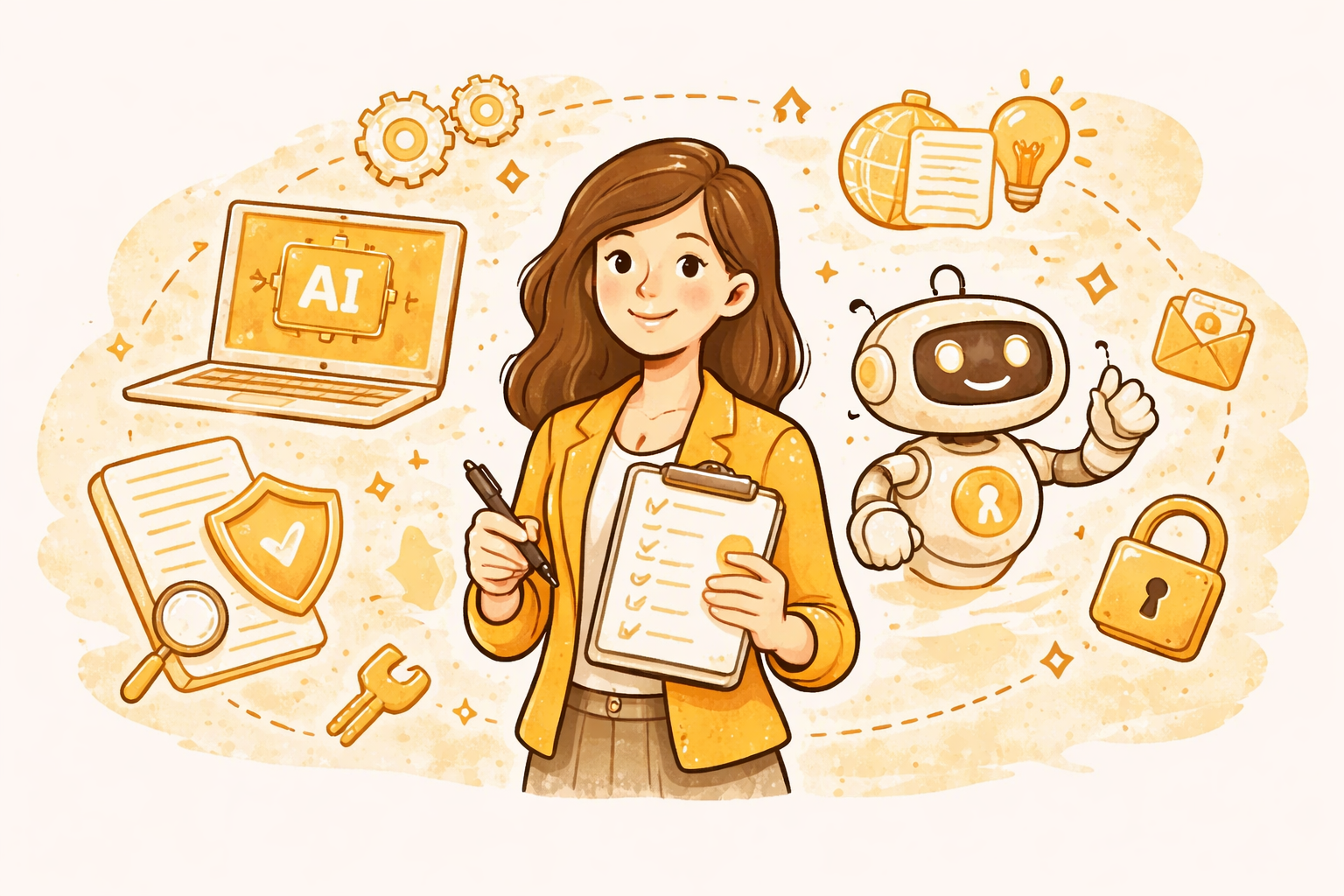 AI management is not just about knowing how to use tools, but also about understanding the strengths and limitations of each system, knowing how to delegate tasks correctly to maximize efficiency, controlling and evaluating output quality, while seamlessly integrating AI into the workflow. This is also why more and more people are shifting from learning isolated tools to more systematic learning methods, where knowledge is broken down, continuously updated, and closely tied to practical applications, similar to the approach of some new learning platforms like Retudy. This trend is clearly reflected in new learning models, where content is designed around specific topics such as optimizing processes with AI, controlling output, or building workflows in daily work. Some platforms like Retudy are approaching this direction, with short lessons, clear pathways, and practical relevance.
Conclusion
In the AI era, technical skills can quickly lose their advantage as technology continuously evolves. In contrast, abilities such as critical thinking, systems thinking, and emotional intelligence are becoming increasingly important and sustainable over time. To not only adapt but also thrive, you need to build an "immune" skill set that includes critical thinking, AI management, and EQ. This is also why many people are starting to seek out clearer, more directed learning methods, where knowledge is not just theoretical but closely tied to practical application, as seen in some new learning platforms like Retudy.
Remember that: AI does not directly take away your job, but those who know how to leverage AI can do so. The question is, are you ready to upgrade yourself starting today so you won't be left behind?
What will you get from RETUDY
Microlearning lesson 3–5 minutes, to the point
The lesson system is continuously updated
Easy to track progress, no interruptions midway
Over 1,000+ learning sessions each month with RETUDY
The learning app helps you maintain a daily study habit without feeling overwhelmed. It takes an approach of breaking down knowledge into concise, easy-to-understand parts.
RETUDY helps you absorb each step in a natural and sustainable way. Each piece of content is designed to be immediately applicable to work and life, ensuring that learning goes beyond theory and truly creates real value.