
1. Why is training design important?

| TRAINING DESIGN
Training design is the process of planning, developing, and organizing learning experiences to help learners achieve specific goals effectively. The content may include online lectures, study materials, videos, tests, or interactive modules. Training design not only focuses on knowledge but also emphasizes the learner's experience, how they receive, retain, and apply knowledge in practice.
When training design is built on a solid ethical foundation, it will directly contribute to the success of the curriculum and the overall reputation of the business.
Specifically, prioritizing ethics at every stage of the training design process will bring the following important benefits:
➤ Building trust
When learners perceive that the organization respects privacy and is transparent in assessments, they will feel more at ease and be more willing to engage with the lessons. This transparency includes clearly informing how student data is collected, stored, and used, as well as how grading or feedback is conducted.
➤ Protecting the organization's reputation
Violations of ethics in the design and implementation of training can have serious consequences for the reputation and brand of the organization. In the digital age, negative or non-transparent learning experiences can easily be shared publicly on social media, forums, or online reviews, negatively impacting the company's image. Conversely, when an organization ensures that courses are designed fairly, safely, and transparently, learners will appreciate and trust them more.
➤ Optimize learning effectiveness
One of the important benefits of applying ethics in training design is the increased ability of learners to absorb and retain knowledge. When students feel that the learning environment is fair, respectful, and safe, they will be more focused, reducing unnecessary anxiety or pressure. This helps them easily engage in learning activities, complete assignments, and apply knowledge in practice.
➤ Legal & Compliance
In many countries, especially in Europe with GDPR or in the US with data privacy regulations, training organizations must ensure that the processing of students' personal information complies with the law. This not only relates to the secure storage of data but also includes the rights of students to access, edit, or delete their personal data. Training design needs to integrate security and transparency processes from the outset, ensuring that tools, LMS systems, or online content do not violate privacy rights.
2. Common ethical issues in training design
In the context of the strong digital transformation in education, identifying and addressing ethical challenges is a key factor in ensuring the integrity of online training programs.

Privacy and security of learner data
When collecting learner information (gender, age, scores, learning behaviors, etc.), designers need to ensure that the data is securely protected to prevent leaks or misuse. If integrating a learning progress tracking system or an LMS, it is important to be transparent with learners about what data is being collected and how it will be used.
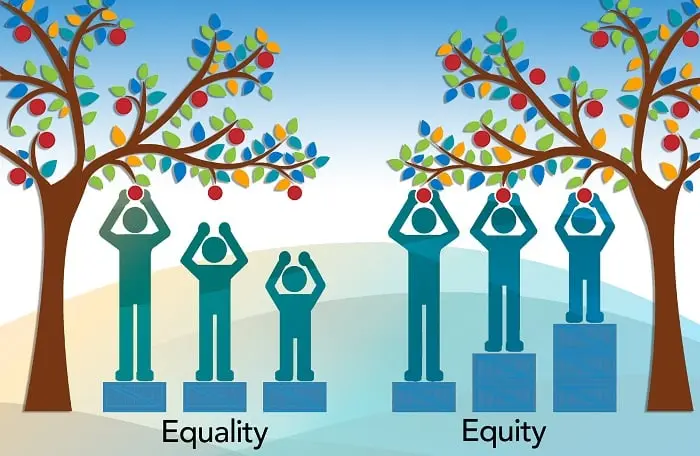
Công bằng và truy cập bình đẳng
The training design must ensure that the content is suitable for various audiences: learners with different levels, technical accessibility, language, or cultural contexts. Avoid creating "invisible barriers": for example, a course that is only optimized for users with powerful machines, or can only be learned in English, may inadvertently exclude certain groups of learners.

Trích dẫn nguồn & bản quyền nội dung
When using images, videos, teaching materials from external sources or reusing content, designers need to respect copyright, seek permission, or use materials under reasonable licensing. Additionally, they should avoid "copying content" without creating new value for learners.
Tác động tâm lý lên người học
Training content can influence the psychology, beliefs, or decisions of learners, especially if the course relates to life skills, ethics, or personal development. Designers need to consider placing "sensitive" scenes, taking responsibility for how messages are conveyed, ensuring that they do not cause confusion, fear, or unnecessary pressure on learners.
3. How to ensure ethics in training design: Solutions and recommendations
1
Establish a clear data privacy policy
Design a clear Privacy Policy for learners, specifying what data is collected, the purpose of use, and the rights of learners (view, delete, export data...). Use encryption technology, protect data on the server, and limit internal data access rights.
2
Designing equitable courses and diverse approaches
Apply the "universal design for learning" (UDL) approach to design content suitable for various audiences: multiple formats (video, text, infographic…). Test and evaluate the course with different groups of learners before wide implementation: new students, adults, technical individuals, and those with limited access to technology.
3
Copyright and content management
Use valid sources for images and videos: self-produced, purchased licenses, or appropriate Creative Commons content. Remind the design team to use content citations and clearly attribute sources. When reusing old content, edit and refresh it to create real value for learners.
4
Assessment and monitoring of psychological impact
Before launching the mass course, conduct a small pilot test to identify content that may cause stress or misunderstandings for learners. Monitor learner feedback after the course: surveys, interviews to adjust the content to better align with the emotional needs and perceptions of the students.
4. The Importance of Ethics in Online Education at Higher Education Institutions in Vietnam
The rapid development of the Fourth Industrial Revolution, especially after the Covid-19 pandemic, has propelled online training to become popular and widely applied in Vietnam. However, the fundamental change in awareness and the ability to apply modern technologies in education also poses many challenges regarding the conditions for ensuring and controlling the quality of training in this form. One of the biggest challenges is the emergence of ChatGPT and the strong application of Artificial Intelligence (AI) in education, particularly in higher education. AI is not only present in training but also promotes scientific research activities, simulates virtual experiments, and fosters innovation in schools.
| NATIONAL SCIENTIFIC CONFERENCE
➤ The national seminar emphasizes the role of ethics in online training
At the national scientific conference "Ensuring the Quality of Online Education in Higher Education Institutions in Vietnam," organized by the Vietnam Higher Education Quality Assurance Network Club in collaboration with Thai Nguyen University, experts emphasized the importance of linking online education with ethical standards and integrity in teaching and research. This is an important solution to protect the quality and reputation of educational institutions in the age of AI.
➤ The press clearly notes the urgent need for ethical standards in e-Learning
The media has also acknowledged this demand, with articles such as: “There is a need for ethical standards in online research and training,” indicating that this is a concern not only within the education sector but also for society as a whole in the context of the growing development of e-Learning.

Conclusion
Ethics in instructional design is an essential aspect that cannot be overlooked when developing modern E-Learning courses. From protecting learner data and ensuring equitable access to being transparent in the use of AI, designers must always consider social responsibility — not only creating engaging content but also generating sustainable, reliable value. When organizations "do ethics right," they not only enhance the quality of training but also build trust, protect their reputation, and ensure that learners feel safe and respected. In the digital age, ethically responsible instructional design is the foundation for developing truly sustainable and meaningful E-Learning.
"Honesty is the first chapter in the book of wisdom."
